Unlocking the Mysteries of Shipping Profitability in WooCommerce
So you’ve got your WooCommerce store humming along, products flying off the digital shelves, and your marketing strategies are on point. But when the buzzy excitement of soaring sales quiets down, a sneaky question lingers: Are you really making money on shipping, or is it slowly devouring your profit margins like a silent cookie monster?
Well, fear not, dear store manager, because today is all about turning the complex world of shipping expenses into a crystal-clear tableau of understandable data. Let’s dive into the art of reporting on shipping profitability in WooCommerce and ensure that this often-overlooked aspect is actually padding your wallet, not puncturing it.
Why Should You Care About Shipping Profitability?
Before we get into the “how,” let’s quick zip through the “why.” Tracking the profitability of your shipping can enlighten you on several fronts:
- Cost Control: Identifying the leaks in your shipping expenses can help to seal them.
- Pricing Strategy: It aids in fine-tuning product pricing to cover shipping costs without scaring off customers.
- Customer Satisfaction: Efficient shipping pricing strategies can lead to faster delivery times, boosting customer happiness and retention.
- Business Strategy: Deep insights into such a critical area can inform broader business decisions and strategy adjustments.
Now that we know why it’s an absolute must, let’s figure out how to weave this gold thread through your WooCommerce reporting tapestry.
Step 1: Understanding Your Shipping Costs
Before analyzing profitability, it’s essential to know what makes up your shipping costs. These typically include:
- Carrier charges: The basic cost you pay to FedEx, UPS, USPS, or any other shipping carrier.
- Packaging: Boxes, filler material, tape – they all add up.
- Handling: Costs incurred from the labor involved in packing and dispatching orders.
- Insurance and tracking: Added services to protect and track shipments.
- Fuel surcharges and other fees: Additional charges that can vary based on the carrier and international fees.
Once you’ve totaled these up, you’ll have your complete shipping cost per order, ready to be scrutinized against shipping revenue.
Step 2: Setting Up Advanced Shipping Rules in WooCommerce
To report on shipping profitability effectively, you may need to refine how shipping fees are applied in your store. WooCommerce allows you to set up advanced shipping rules directly or by using plugins that introduce more flexibility and conditions based on weight, dimensions, and delivery zones.
You can craft rules that adjust pricing dynamically, helping to balance profitability while remaining attractive to customers. This also helps in collecting precise data about the shipping fees you charge.
Step 3: Analyzing the Data
With your costs understood and advanced rules set, here comes the analytical feast:
- Gather Data: Export your order data, or better yet, use a dedicated WooCommerce analytics plugin like Alpha Insights to get detailed reports on your shipping profitability.
- Calculate Shipping Profitability: For each order, subtract the total shipping cost from the shipping revenue you charged. This calculation shows you the profit (or loss) for each shipping transaction.
- Identify Trends: Look for patterns. Are certain products consistently unprofitable to ship? Are some zones more costly? This insight is crucial for tweaking your strategy.
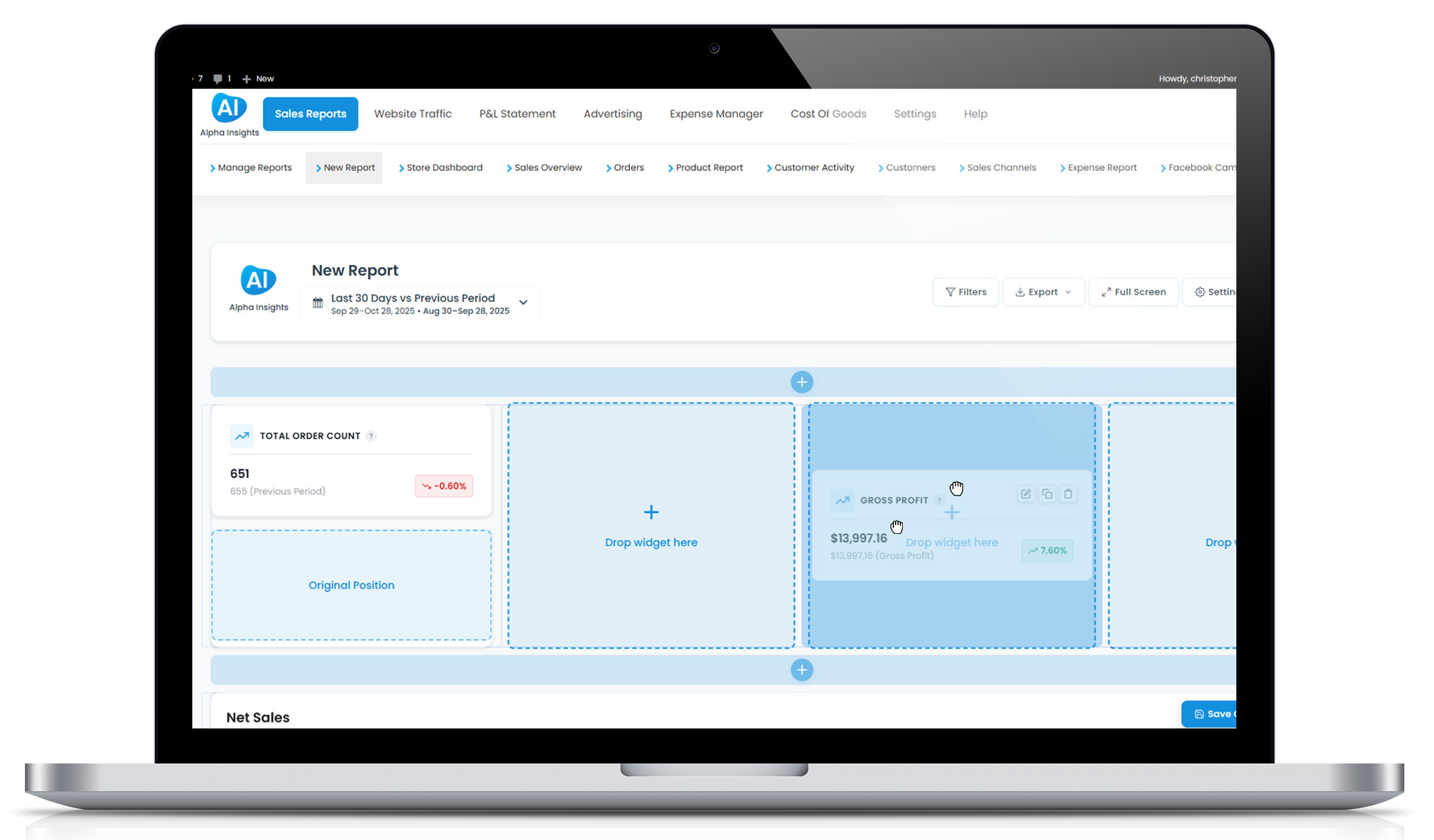
Alpha Insights can dramatically simplify this reporting maze by providing visual insights and comprehensive breakdowns directly within your WooCommerce dashboard. This way, you can make quick, informed decisions rather than getting bogged down in spreadsheets and manual calculations.
Step 4: Making Adjustments and Improving Profitability
Armed with your new knowledge, it’s time to swing back to strategy. Here’s where you might:
- Revise Shipping Charges: Adjust your shipping fees based on insights — going higher or perhaps even lower to enhance competitiveness.
- Change Carriers or Service Levels: Maybe another carrier provides a better bang for your buck on certain types of shipments.
- Negotiate Rates: Armed with data, negotiate with carriers or look into shipping consortiums.
- Improve Packaging Efficiency: Smaller boxes, better packing materials, or negotiated rates with suppliers could lower costs.
Wrapping It Up
Ultimately, like any other part of your business, shipping needs not just to work but to work profitably. By turning a keen analytical eye on your shipping operations with tools like Alpha Insights, you can transform this often overlooked area into a source of strength and added value for your WooCommerce store.
So, the next time you look out the window and see a delivery truck go by, you’ll not just think about the packages they’re delivering – you’ll think about the profitability of each of those packages and smile, knowing you’ve got it all figured out!
Happy analyzing, you savvy WooCommerce wizard, you!