How to Audit Your Analytics Stack for Bias
Hold onto your data hats, folks—we’re diving into the riveting world of analytics bias. Yes, it’s that pesky little gremlin that could be skewing your WooCommerce store’s data without you even knowing it! Whether you’re the proud owner of a burgeoning online boutique or a seasoned eCommerce mogul, knowing how to audit your analytics stack for bias is crucial. Why? Because unbiased data leads to clearer insights, smarter decisions, and ultimately, better outcomes for your store.
Let’s embark on a thrilling journey to understand and tackle bias in your analytics setup. Arm yourself with knowledge and let’s wrangle with those invisible foes!
What Exactly Is Analytics Bias?
First things first: what are we dealing with here? Analytics bias occurs when systemic errors are introduced into methods or models, leading to outcomes that favor certain interpretations or results over others. This can happen through the way data is collected, processed, or interpreted.
Common Types of Bias in Analytics:
- Sampling bias: Occurs when the sample data isn’t representative of the population.
- Algorithmic bias: When algorithms produce skewed results based on faulty methodology or biases in training data.
- Confirmation bias: The human tendency to process information by looking for, or interpreting, data that confirms one’s preconceptions.
These biases can subtly cloud your eCommerce decisions, leading to less optimal marketing strategies and inventory management, just to name a few areas affected.
Step-by-Step Guide to Auditing Your WooCommerce Analytics Stack
Ready to hunt down and correct bias? Follow this detailed step-by-step guide to ensure your analytics stack is as clear-eyed and objective as possible.
Step 1: Identify Your Data Sources
Start by listing all the sources of data feeding into your analytics. This could range from on-site behavior tracking, customer surveys, purchase history, to social media interactions. Understanding where your data comes from is crucial, as it helps pinpoint potential origins of bias.
Step 2: Assess the Collection Methods
Review how you collect data. Are there any limitations in the way data is gathered that might introduce bias? For example, if you only collect feedback from customers who make a purchase, you might be missing out on invaluable insights from those who abandon their carts.
Step 3: Analyze Data Handling and Processing
Inspect how data is processed and stored. Check for any steps in your data handling processes that might skew results. Pay special attention to automated systems and algorithms. Are they fed with diverse training data? Do they get regularly updated to adapt to new patterns?
Step 4: Scrutinize the Analysis Techniques
Look at how data is analyzed and reported in your WooCommerce store. Ensure that the analytical models and techniques you use do not favor certain types of data or outcomes. This might mean checking if your approach is holistic, considering various customer demographics equally.
Step 5: Seek External Opinions
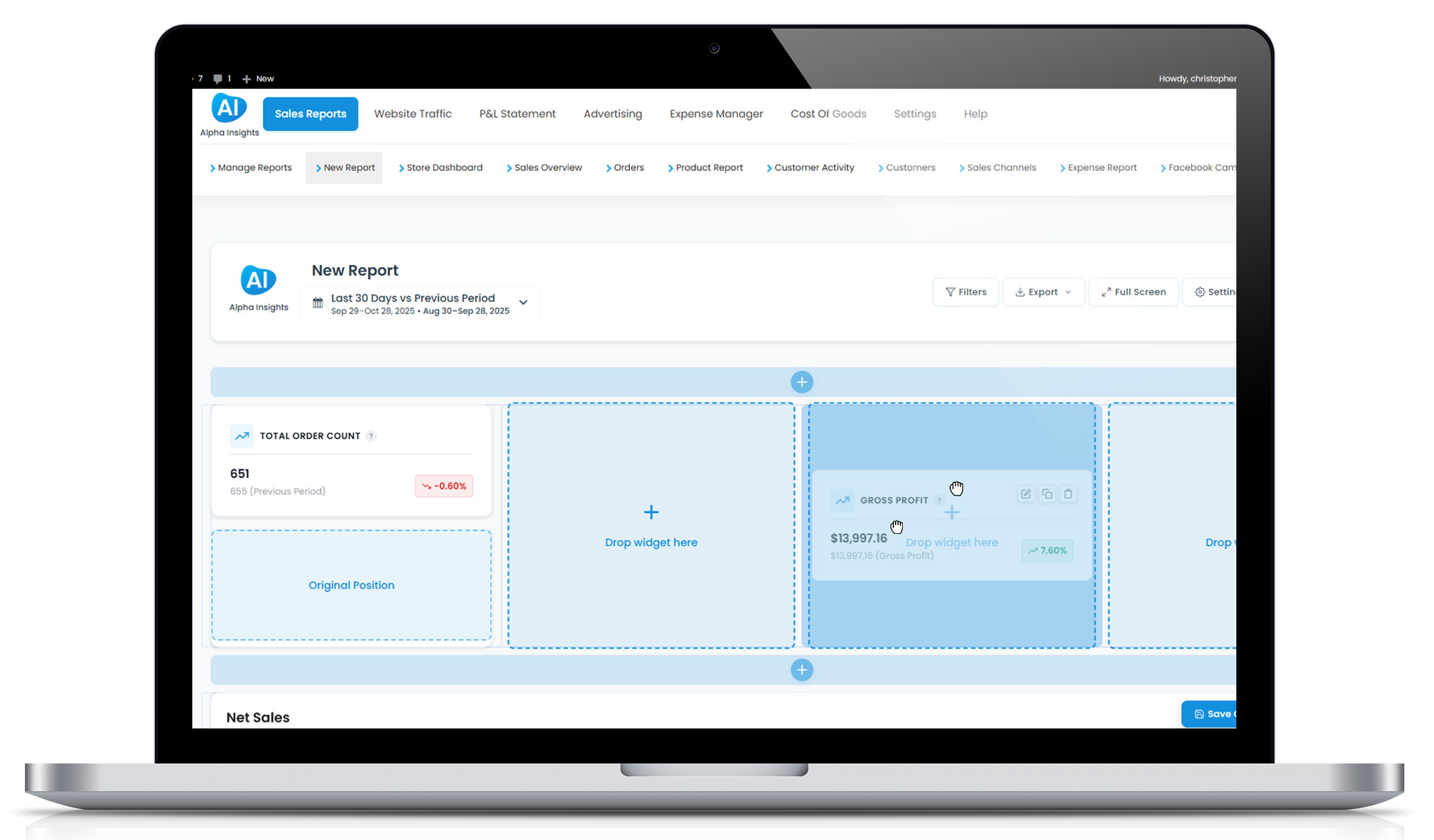
It never hurts to get a second, or third, opinion. Bringing in external consultants or using third-party tools can provide new perspectives on your analytics approach. Herein lies the beauty of a tool like Alpha Insights. It provides an objective and comprehensive look into your WooCommerce analytics, ensuring you get unbiased, actionable insights.
Implementing Changes and Continuous Improvement
Once you’ve conducted your audit and identified areas of bias, the real work begins. Implementing changes to correct these biases and setting up systems for ongoing improvement are crucial steps.
Tips for Reducing Analytics Bias:
- Regularly review your data sources and collection methods for any changes that could introduce bias.
- Update and test your algorithms continuously to handle new types of data effectively.
- Promote a culture of data literacy within your team, emphasizing the importance of objectivity in data interpretation and decision-making.
Final Thoughts
Conducting an analytics bias audit isn’t just a one-time event—it’s a vital part of your ongoing strategy to ensure your eCommerce business is guided by clear, unbiased data. Regular audits align your efforts with the real-world behaviors and needs of your customers.
Ready to clear the fog and let clean data guide your way? Check out Alpha Insights today and see how it can transform your approach to WooCommerce analytics, fortifying your business against the underhanded antics of bias. Let’s make data misinterpretations a thing of the past and steer your store to success with precision and confidence!
So, grab your digital magnifying glass, and let’s make your analytics bias-free!