How To Audit Your WooCommerce Analytics Setup in 30 Minutes
Okay, my dear WooCommerce warriors, it’s time to put your detective hats on! Today, we’re diving deep into the whirlpool of numbers, trends, and insights. Buckle up, as we embark on a 30-minute mission to audit your WooCommerce analytics setup. Whether you’re a seasoned pro with spreadsheets or someone who slightly panics at the sight of charts and graphs, this guide is tailored to make your life easier and your store’s data much more digestible.
Why Audit Your WooCommerce Analytics?
Before we start tinkering with things, let’s address the big question: Why? Why should you bother auditing your analytics? Well, the answer is as clear as the need for coffee on a Monday morning:
- Accuracy: Ensure your data is correct. Incorrect data can lead to disastrous decisions (like thinking your pet rocks are the top sellers).
- Relevance: Confirm you’re tracking the right metrics and not just the number of left-handed visitors (unless that’s your target market).
- Insight: Determine if there are potential gold mines of insights you’re missing out on due to poor setup.
Step 1: Check Your Basic Setup
Your first step is to ensure the foundation is solid. This is like making sure your coffee cup doesn’t have a hole before pouring your brew. Here’s what you need to look at:
- Integration Check: Confirm that your Google Analytics or any other analytics tool is properly integrated with your WooCommerce store. Visit your site, perform some test actions, and check if the activities are recorded in your analytics dashboard.
- Consistency with Business Goals: Are your analytics aligned with what’s important to your business? If you’re selling custom t-shirts, make sure you’re tracking which designs are hot favorite!
Step 2: Dive Into E-Commerce Tracking
Now, let’s swim a bit deeper. E-commerce tracking is like having a periscope on your submarine; it lets you look at the detailed activities below the surface!
- Transaction Tracking: Check if all transactions are being captured. Missing transactions mean missing data on your best performances.
- Cart Abandonment: Identify if this metric is being tracked and analyzed. Understanding why customers bail (high shipping costs, perhaps?) can be a game-changer.
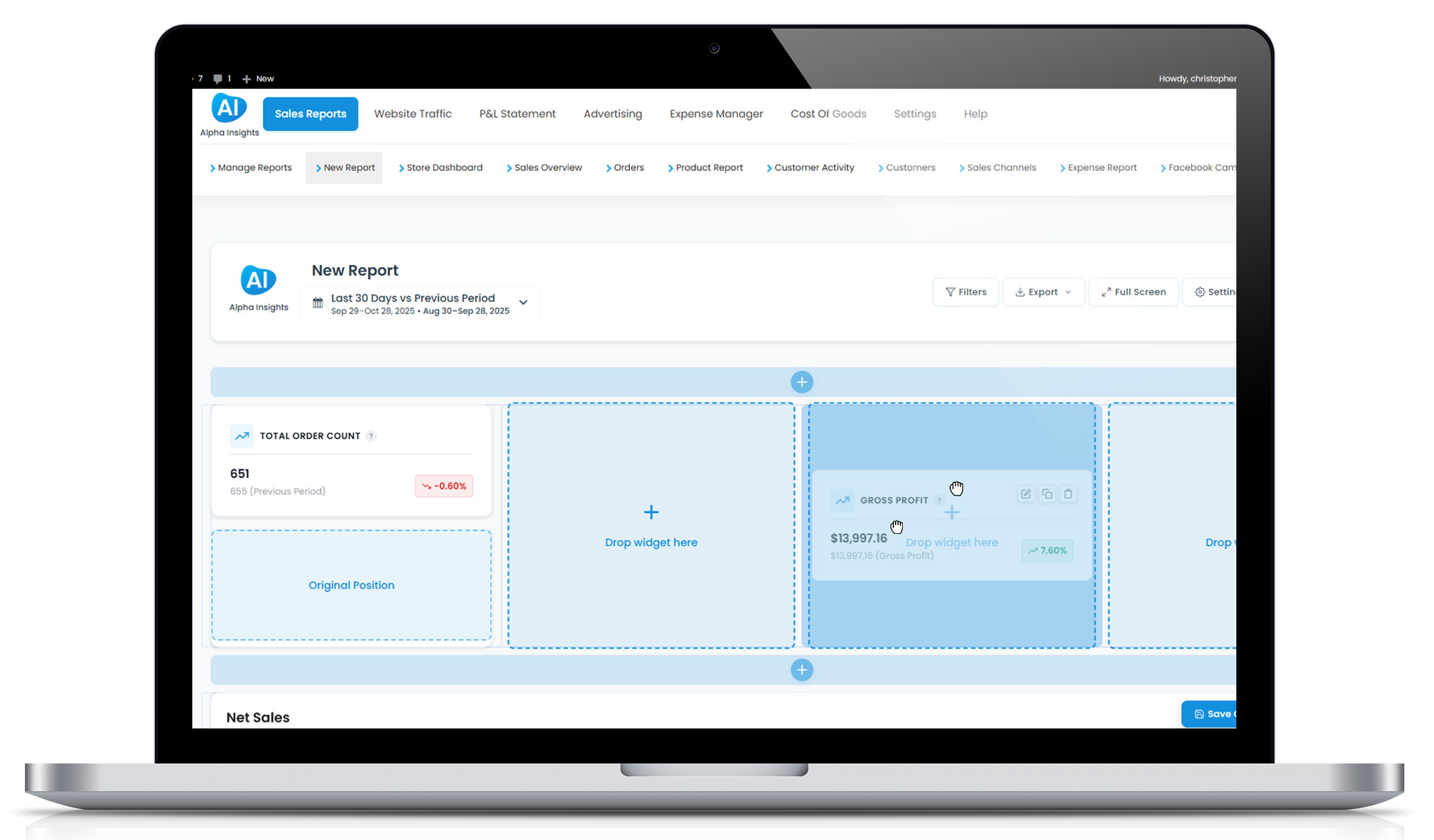
If setting this up sounds like deciphering hieroglyphics, consider elevatoring your game with Alpha Insights. It’s designed to ease the pain of integration and give you clear, actionable insights.
Step 3: Conversion Rates and Customer Journeys
We’re halfway into our audit, and it’s time to look at conversion paths. Are customers finding what they want swiftly or are they embarking on an accidental safari through your store?
- Funnel Analysis: Make sure you’re tracking the customer’s journey from landing page to checkout. Look for drop-off points – these are spots where customers are likely leaving.
- Checkout Process: Is it smooth like a good whiskey or does it have more steps than the Great Wall of China? Simplify, if necessary.
Step 4: Performance Metrics
Let’s make sure you’re keeping tabs on how the site itself is performing. Slow site speed can scare off customers faster than telling them you run out of stock.
- Site Speed: Check your load times. Consider a caching plugin or a better hosting service if your pages load slower than a sloth’s yoga session.
- Mobile Responsiveness: With most traffic coming from mobile, make sure your site is as mobile-friendly as a puppy at a park. Use tools like Google’s Mobile-Friendly Test for insights.
Final Thoughts: Keeping Your Analytics in Shape
Phew! Look at you, 30 minutes later, and you’re practically a WooCommerce analytics ninja! Pat yourself on the back, grab a cup of something nice, and reflect on your newly audited setup.
Remember, regular check-ups are key to maintaining a healthy analytics configuration. And if you ever feel over your head in data, don’t forget that tools like Alpha Insights are here to simplify and amplify your data-driven decisions, ensuring your WooCommerce store continues to thrive based on solid, actionable insights.
Happy analyzing, and may your metrics always guide you to e-commerce success!