How to Measure Contribution Margin in WooCommerce
Ah, contribution margin – the punchline of every e-commerce profitability joke, yet an elusive figure that many struggle to pin down. In the dynamic world of WooCommerce, where every plugin and theme promises to be your next business booster, understanding your store’s economics down to the bone can change not just numbers, but your whole game plan!
What Exactly is Contribution Margin?
First up, let’s demystify this concept. Contribution margin isn’t just another fancy accounting term to throw around at dinner parties. It is essentially the selling price per unit, minus the variable costs of the product. This calculation gives you a clearer insight into the actual profit each sale contributes towards your fixed costs (like rent, utility bills, and that fancy new office coffee machine), before potentially marking any profit.
Breaking It Down Further:
- Sales Revenue – This is the income from sold goods.
- Variable Costs – These are costs that change with the volume of goods produced or sold. Think raw materials, transaction fees, shipping costs, etc.
- Contribution Margin – This is what’s left from sales after variable costs have been deducted (i.e., Sales Revenue – Variable Costs).
Understanding your contribution margin is like knowing how long you can keep running in a marathon – it’s vital for endurance, especially in the competitive race of e-commerce!
Measuring Contribution Margin in WooCommerce
So how do you start measuring this in your WooCommerce store? The process can be as involved or straightforward as your what your data allows. Here’s a step-by-step breakdown:
1. Calculate the Variable Costs Per Unit
Start with nailing down all the costs that go into selling each product. This includes:
- Cost of goods sold (COGS)
- Shipping costs per product
- Transaction fees (think credit card fees, PayPal fees)
- Direct labor (if any)
While fixed costs like web hosting and salaries don’t directly impact this figure, don’t forget that they will affect your overall profitability.
2. Determine Your Sales Revenue Per Unit
This one is straightforward: how much are you selling your product for? It’s the price tag product carries minus any applicable sales taxes (since those aren’t revenue). If you have products with varying pricing (such as volume discounts), you’ll want to calculate this figure for each pricing tier.
3. Subtract Variable Costs from Sales Revenue
This is where the magic happens! By subtracting the variable costs from your total sales revenue per product, you’ll see your contribution margin per product. This figure is golden—it tells you how much each product is contributing to covering your fixed costs and, subsequently, generating profit.
4. Use WooCommerce Analytics Tools to Simplify
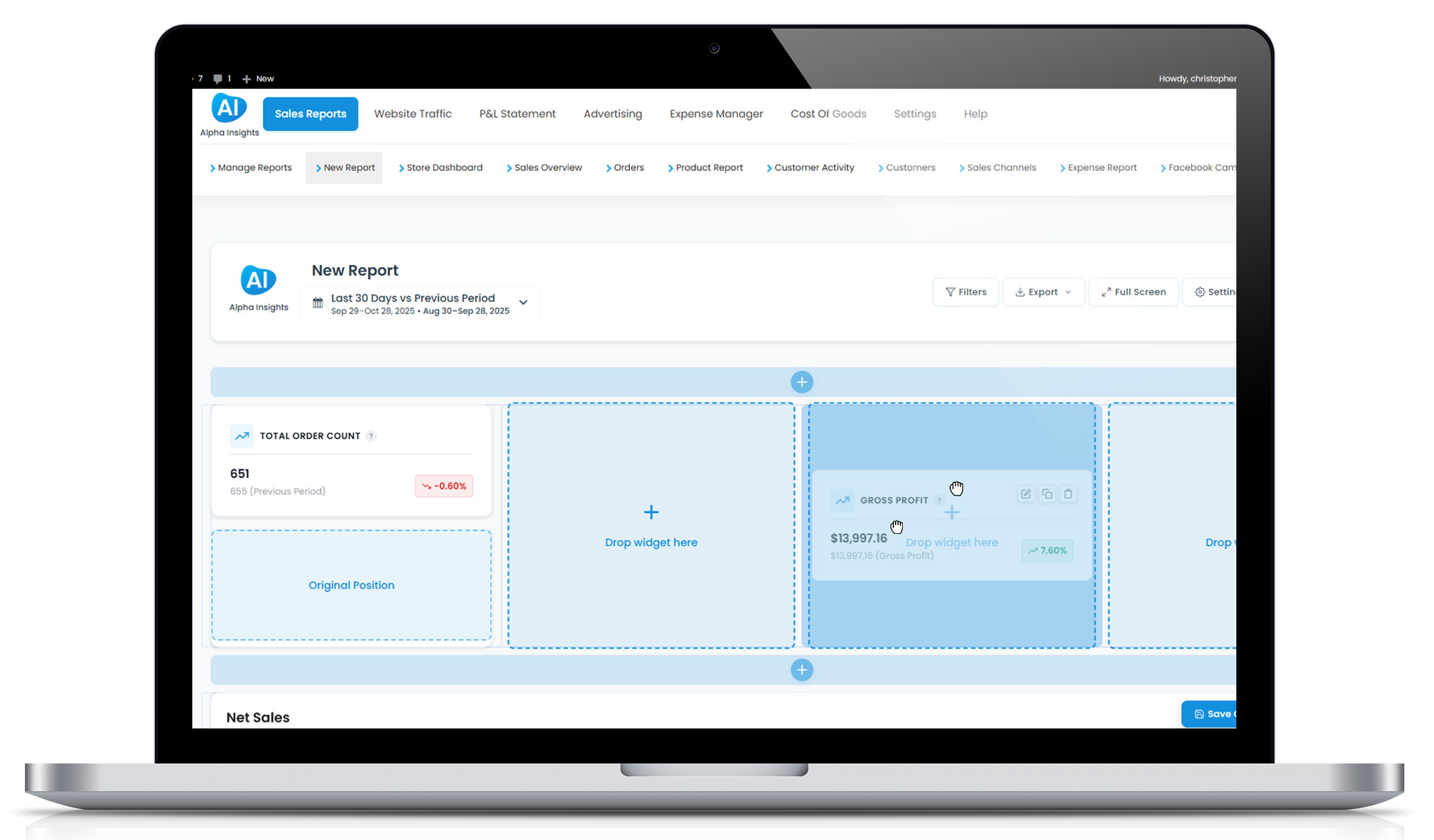
Feels overwhelming? Fret not! You can automate and simplify these calculations using analytics tools designed for WooCommerce. One such tool is Alpha Insights. This nifty plugin extends the default WooCommerce analytics to give you deeper insights into profitability, including detailed metrics on your contribution margins per product and overall.
Why You Should Care About Contribution Margin
Now that you know how to calculate it, you might wonder why you should even bother. Well, here’s why understanding your contribution margin is crucial:
- Helps with pricing strategies: Knowing how low you can go on pricing without going into loss is essential during promotions or discounts.
- Aids in budgeting: By knowing how each product contributes to your bottom line, you can make informed decisions about where to allocate your budget.
- Improves product line: Identify which products are not pulling their weight and decide whether to improve them or phase them out.
- Forecasting and planning: Understanding these margins helps predict future earnings and plan business expansions more reliably.
For businesses aiming to scale, fine-tuning your contribution margins can significantly affect your overall financial health and strategy.
Final Thoughts
Whether you’re a WooCommerce newbie or a seasoned store owner, getting intimate with your store’s contribution margin can greatly enhance your business’s financial perspective. It’s not just about surviving in the market; it’s about thriving, expanding, and owning your niche.
And while the thought of diving into such metrics might sound as daunting as organizing a sock drawer by color, remember, tools like Alpha Insights are here to make this process as smooth as your morning espresso. So why not give it a try and see how those numbers transform your business strategy and profitability. Your bottom line will thank you!
Happy analyzing!