How to Track SKU Profitability With WooCommerce Plugins
Alright, let’s dive into a topic that sounds as thrilling as watching paint dry but is actually more like finding a hidden treasure map in your attic—tracking SKU profitability in WooCommerce! In the wild world of ecommerce, understanding which products are filling your pockets and which are just filling your shelves is crucial. And yes, while diving into data analytics and profitability metrics might not be as glamorous as the latest unboxing video trend, I promise, it’s just as rewarding.
Why SKU Profitability Matters
First things first, let’s talk about why tracking SKU (Stock Keeping Unit) profitability is as important as your morning coffee. Each product in your store has its own journey, from cost to customer feedback. Knowing the profitability of each SKU can help you:
- Make informed inventory decisions: Stock up on what sells, say goodbye to what doesn’t.
- Optimize pricing strategies: Find the sweet spot between attractiveness to customers and profitability.
- Enhance marketing efforts: Push promotions for high-margin products.
- Forecast future trends: Use past performance to predict future sales.
Essentially, if you’re not tracking SKU profitability, you’re a bit like a captain sailing without a map. Sure, you might eventually find land, but wouldn’t you rather know where the treasure is buried?
Finding the Right Tools
Tracking SKU profitability isn’t just about crunching numbers—it’s about having the right tools in your arsenal. Luckily, the WooCommerce universe is teeming with plugins that can turn the Herculean task of tracking profitability into a walk in the park.
WooCommerce Analytics Plugins
Analytics plugins extend the basic WooCommerce reporting features and give you a more granular look at your sales data. Here are a couple of tools that can help:
- Metorik: This tool provides detailed reports and includes costs of goods to give clear insights into profitability.
- WooCommerce Google Analytics Integration: Perfect for harnessing Google’s mighty analytics power to track user interactions on your products.
Cost of Goods Plugins
Knowing the cost associated with each product is half the battle when tracking profitability. Plugins that allow you to include cost of goods sold (COGS) are essential. Some noteworthy mentions include:
- WooCommerce Cost of Goods: Straightforward implementation that lets you manage and report your costs right within WooCommerce.
Custom Solutions: Alpha Insights
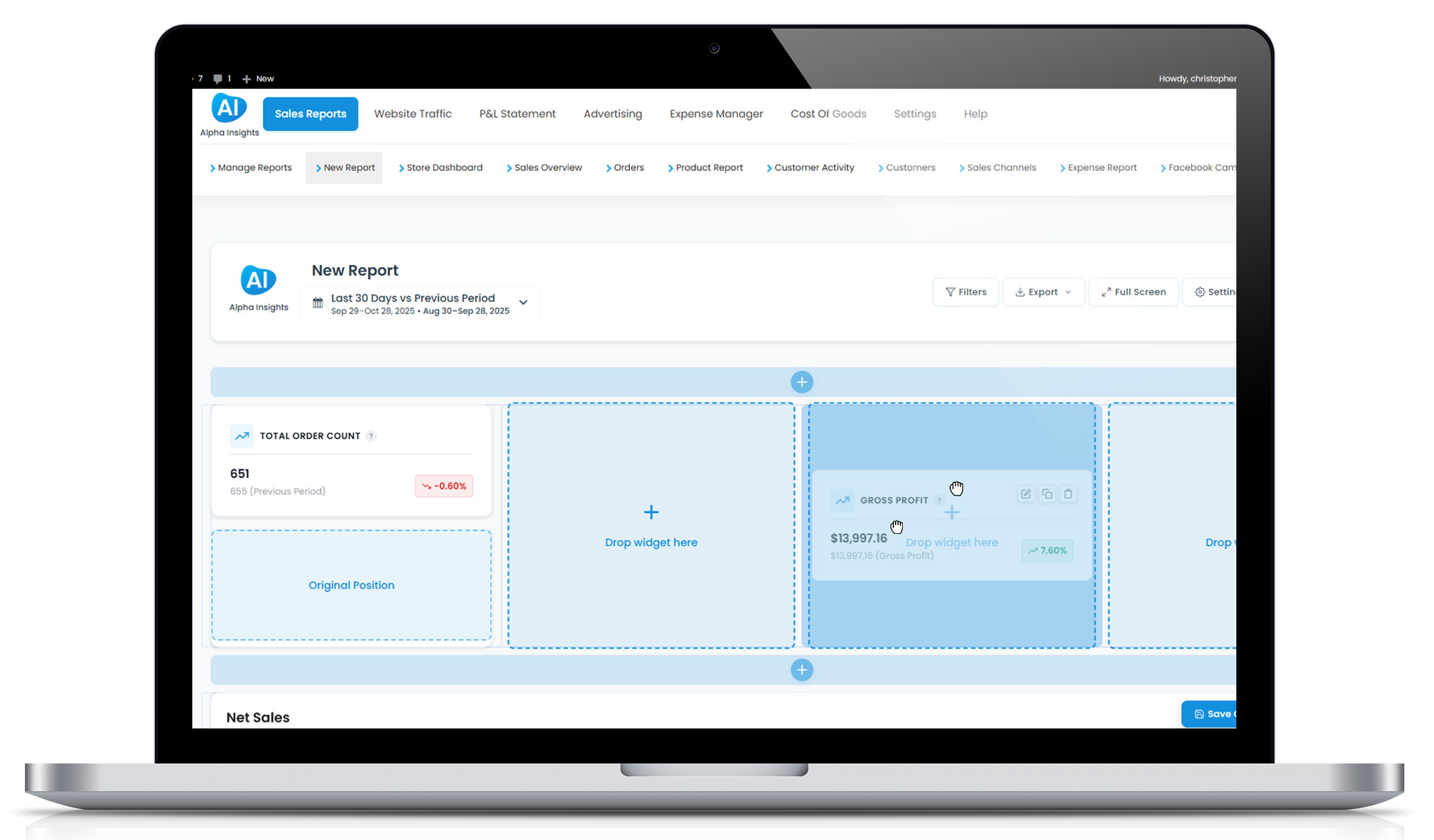
For those who find themselves needing a bit more firepower, custom plugins like Alpha Insights are the secret weapon. This plugin not only tracks basic profitability metrics but also delves deeper into SKU-level profitability, giving you crystal-clear insights into which products are your real moneymakers. Ready to amp up your stats game? Check out Alpha Insights.
Setting Up Your Profitability Tracking System
Got your tools ready? Great! Now let’s set them up to start unwrapping the data like it’s holiday season. Here’s how to get started:
Step 1: Define Your Costs
Whether it’s manufacturing, purchasing, or shipping costs, defining every penny spent on your SKU is essential. Plugins like WooCommerce Cost of Goods can help you attach these costs directly to each product.
Step 2: Integrate With Analytics
Combine your costs data with sales analytics to start seeing the profitability picture. Integrate your WooCommerce store with analytics tools like Metorik or directly with Google Analytics to track interactions and conversions.
Step 3: Analyze and Adjust
With your analytics in hand, monitor which SKUs are performing well and which aren’t. Use these insights to make informed decisions on pricing, promotions, and inventory purchasing.
Making the Most of Your Data
With the right tools and setups, you’ve now got a treasure trove of data at your fingertips. But data alone isn’t enough—it’s about the insights you derive from it and the decisions you make.
Regular Reviews
Schedule regular reviews of your SKU profitability reports. Trends can change quickly; staying updated will help you stay ahead.
Adaptive Strategies
Your strategy should be as dynamic as your market. Adjust prices, promotions, and even product offerings based on what the data tells you.
Customer Feedback Loop
Integrate customer feedback into your profitability analysis. High profitability on a SKU that customers don’t love might not be sustainable.
Conclusion
Tracking SKU profitability might not make you feel like Indiana Jones, but it certainly turns you into the treasure-hunting tycoon of your WooCommerce store. With tools like Alpha Insights, aligning your inventory, pricing, and marketing strategies with what actually works becomes not just a possibility, but a reality.
So, set sail on the data-driven seas, and let’s find that buried treasure together!