How to Use Historical WooCommerce Orders to Plan Smarter
Remember the time capsule you buried as a kid, eager to see how things would change when you dug it up years later? Well, your WooCommerce store’s historical orders are somewhat similar — minus the rusty old box and childhood mementos. Instead, they are packed with insights and data that, if dug up and analyzed correctly, can guide your store towards a more profitable future.
Planning smarter isn’t just about reacting to what happened yesterday; it’s about understanding long-term trends, customer behaviors, and sales cycles. Let’s unearth these hidden gems and see how they can transform your approach to managing your WooCommerce store.
Why Historical Data in WooCommerce is a Gold Mine
Your store’s past order data is a gold mine of actionable insights, and here’s why each piece of data, no matter how small, counts:
- Understanding Customer Behavior: Historical data lets you peek into the buying patterns and preferences of your customers.
- Inventory Management: Knowing what sold well and what didn’t can help you better plan your inventory purchases.
- Seasonal Planning: Analyze sales from previous years to predict upswings during holidays or seasonal events.
- Marketing and Promotions: Find out which promotions worked best and replicate their success in your future campaigns.
Getting your analytical shovels ready? Great! Now, let’s dig into the strategies for using this data effectively.
Step 1: Collect the Right Historical Data
Before we put on our data mining helmets, it’s crucial to know what to look for. Here are some key data points to collect from your historical WooCommerce orders:
- Sales Performance: Track down sales data by product, category, and overall store performance.
- Customer Purchasing Patterns: Who’s buying what, and when? Are there repeat customers?
- Promotional Impact: How well did specific promotions perform in terms of increased sales?
- Seasonal Trends: Identify peak periods and lulls over the years.
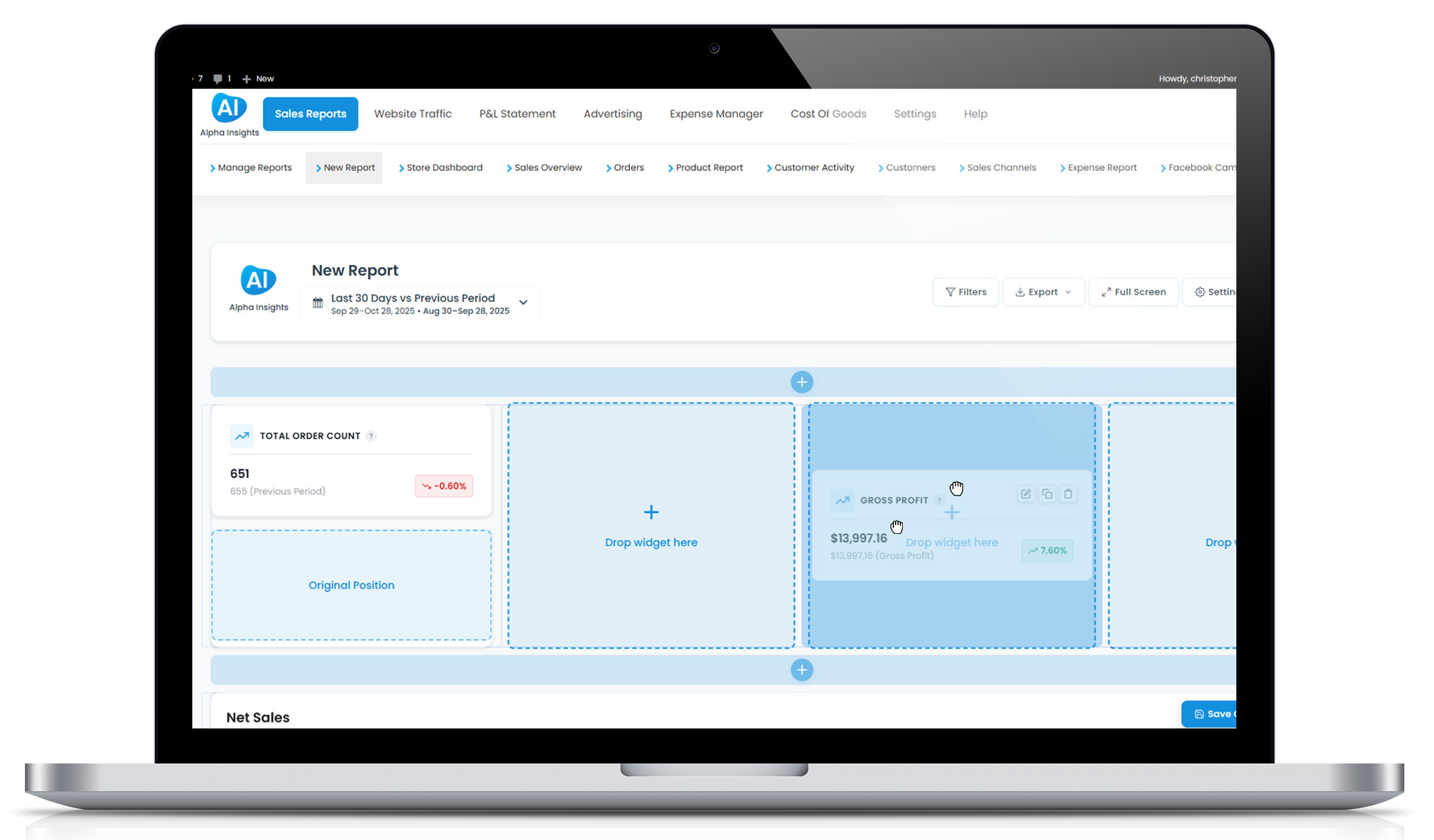
With tools like Alpha Insights, gathering this data is a breeze, and you’re equipped with more than just basic analytics but predictive insights that can really help with strategic planning.
Step 2: Analyze the Data
With the right data collected, let’s don those analytical goggles and dive deep:
Analyze Sales Data
Plot the monthly total sales from the last few years to spot trends and patterns. Do certain months consistently perform better? Understanding these trends helps you anticipate future sales surges or slowdowns.
Customer Buying Trends
Segment your customers based on their buying frequency, average order value, and preferences. This segmentation can help you personalize marketing strategies, leading to better customer engagement and retention.
Review Promotional Success
Assess which types of promotions (discount codes, BOGO, free shipping) led to the highest uplift in your traffic and conversions. By understanding what works, you can tailor your efforts to what genuinely drives sales.
Analyzing seems daunting? Let Alpha Insights simplify it with its comprehensive data visualization tools.
Step 3: Apply Insights to Forecast and Plan
By now, you’ve unearthed some precious data from your historical orders. It’s time to put these insights into action:
Inventory Adjustment
Based on past bestsellers and customer preferences, optimize your stock levels to meet anticipated demand without overordering.
Personalized Marketing Campaigns
Use customer segmentation data to tailor your email marketing campaigns. Targeted messages can significantly increase engagement and conversions.
Seasonal and Promotional Strategies
Plan your promotional calendar well in advance. Schedule your email campaigns, social media posts, and stock preparations around historically successful dates.
Product Development
Look at past sales data on customer preferences to inform new product developments or improvements.
Long-Term Benefits of a Data-Driven Strategy
Embracing a data-driven approach using your historical WooCommerce data doesn’t just tweak your business tactics; it redefines them:
- Increased Efficiency: Operational adjustments based on historical data streamline costs and optimize resources.
- Better Customer Experiences: Understanding customer behaviors allows for more personalized experiences, boosting satisfaction and loyalty.
- Enhanced Profitability: More informed decisions lead to better control over cash flow and profitability.
Looking to get started with optimizing your WooCommerce store with historical data? Check out Alpha Insights for a powerful way to integrate analytics and insights into your decision-making processes.
Just like that time capsule, your store’s historical data holds surprises and lessons that are waiting to be rediscovered. Unearth them and watch your WooCommerce store thrive not just today, but long into the future. Start planning smarter — your future self will thank you!