Measuring Downside Risk Using Order Data
Let’s dive into something that might sound a bit Wall Street-esque but is oh-so-crucial in the bustling world of e-commerce — measuring downside risk using your order data. Now, don’t yawn just yet! Understanding your e-commerce store’s downside risk is like having a secret weapon that helps you dodge financial icebergs while navigating the Atlantic of online sales.
First Things First: What is Downside Risk?
Before you can measure it, you need to know what it is, right? Downside risk is essentially the financial risk associated with the potential loss in a business’s value. For a WooCommerce store, it could be anything from a sudden decrease in sales, unexpected supply chain issues, or changes in customer behavior that might tip your boat overboard.
Think of it as your e-commerce store’s rainy day predictor. The better you are at identifying and measuring potential downturns, the better equipped you’ll be to keep your store sailing smoothly, come rain or shine.
Why Focus on Order Data?
Your order data is a treasure chest of insights. It tells you what’s hot and what’s not, where your customers come from, how often they shop, and how much they’re spending. It’s not just about tracking sales; it’s about understanding the pulse of your business. But how exactly does this help in measuring downside risk? Let’s map it out:
- Trend Spotting: By observing changes in order frequency and customer spending habits over time, you can identify potential downturns before they hit hard.
- Customer Behavior: Changes in customer buying patterns can be an early warning signal. A drop in repeat customer rates or average order values could spell trouble.
- Product Performance: Keeping an eye on which products are underperforming can help you mitigate risk by adjusting your inventory and marketing strategies accordingly.
How to Measure Downside Risk in WooCommerce
Now that we know why it’s important, let’s talk about how you can start utilizing your WooCommerce order data to measure and manage downside risk.
1. Setting Up Your Tracking System
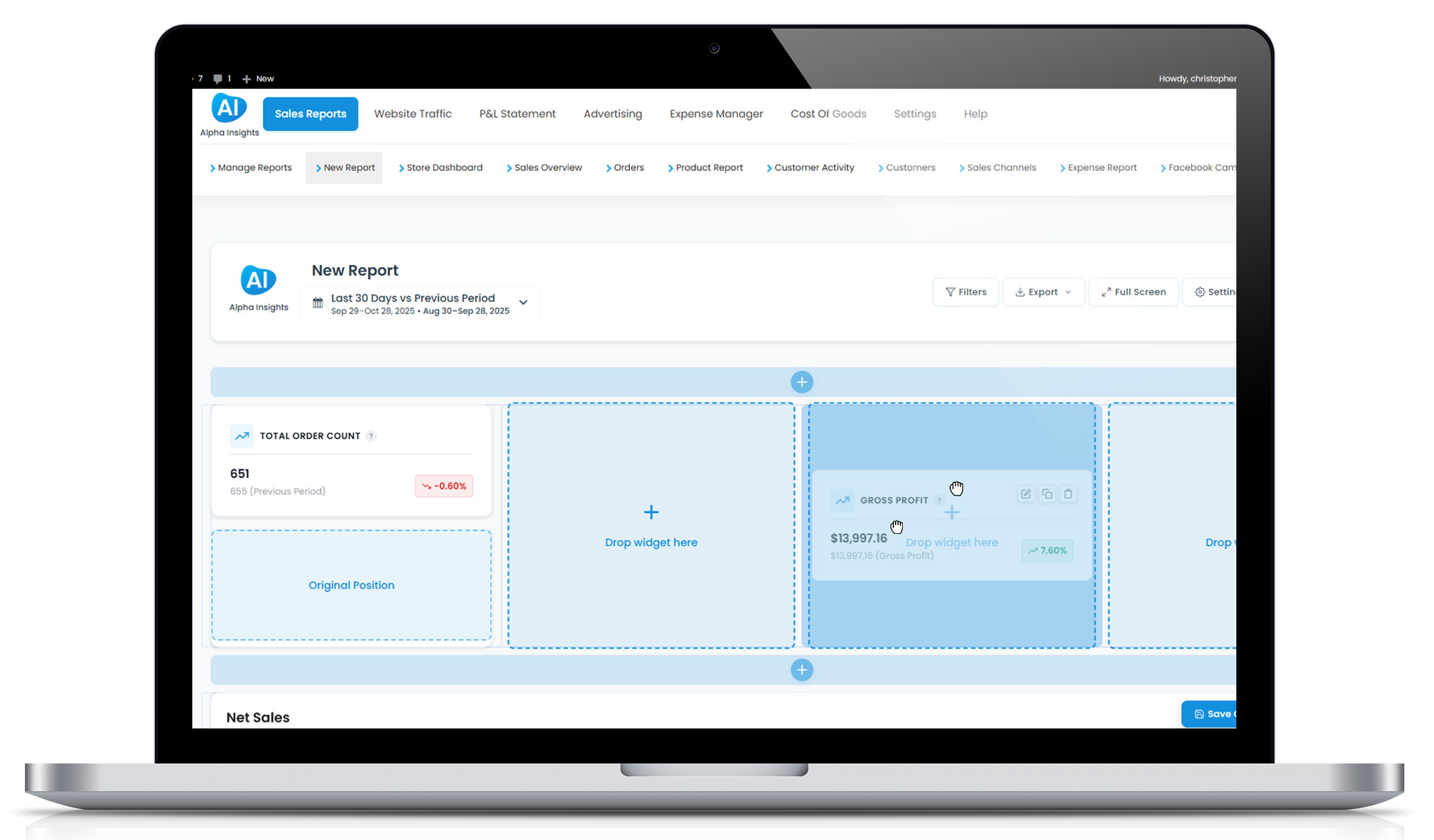
First, ensure that you have a robust analytics plugin installed. Alpha Insights is a great choice, providing deep dives into your data lake without making you sweat the setup. With your tool in place, you can track and analyze every aspect of your sales data.
2. Analyze Sales Trends and Patterns
Look at your historical sales data to identify patterns or trends. Use visual aids like graphs and charts to see how your orders fluctuate over time. Are there specific months where sales dip? What about changes in order size or frequency during certain periods? This can give you clues about potential downside risks that are cyclical or seasonal.
3. Monitor Customer and Product Segments
Break down your data by customer demographics and product categories. Are certain segments showing signs of decline? Perhaps a once popular product category is no longer fetching the same sales numbers. This segmented approach helps pinpoint where the risks are brewing, allowing you to take targeted actions.
4. Calculate Key Metrics Regularly
Keep an eye on crucial metrics such as:
- Customer Lifetime Value (CLV): A drop in CLV can indicate dissatisfaction or better competition.
- Return Rate: An increasing trend in returns can be an early signal of product issues or customer dissatisfaction.
- Conversion Rate: Fluctuations here might suggest changes in market dynamics or issues with your website’s user experience.
Utilizing Data for Proactive Risk Management
Merely measuring your downside risk isn’t enough; you must act on it. Here’s where the magic of predictive analytics comes into play. By leveraging Alpha Insights, you can use your data to forecast future trends. Implement strategies such as:
- Dynamic Pricing: Adjust prices based on demand and supply metrics derived from your order data.
- Inventory Management: Use insights from product performance data to optimize stock levels and avoid overstocking or stockouts.
- Marketing Adjustments: Tailor your marketing campaigns based on insights about what’s working and what’s not among different customer segments.
Conclusion: Embrace the Power of Data
In the ocean of e-commerce, downswings are as certain as the tides. But with your WooCommerce store armed with powerful insights from your order data, you’re not just predicting the weather; you’re ready to dance in the rain when it arrives. Start measuring your downside risk today, not just to prevent loss, but to pave the way for unparalleled growth and resilience in your business ventures. Remember, in the world of e-commerce, being prepared doesn’t just mean surviving; it means thriving.
Ready to turn your order data into your most valuable risk management tool? Check out Alpha Insights and harness the full power of advanced analytics tailor-made for WooCommerce stores like yours!