The Most Important Metrics That Separate 5-Figure and 7-Figure WooCommerce Stores
Ever wonder what differentiates the small-scale WooCommerce stores from those bustling digital empires? It’s like comparing a cozy corner shop to a sprawling supermarket. Sure, passion and luck play their roles, but numbers, specifically key metrics, truly pave the road from modest sales figures to eye-popping zeroes. Let’s strap in and decode the numeric DNA that separates 5-figure earners from their 7-figure counterparts!
Introduction to Understanding Metrics
Before diving into the secret sauce, let’s establish that not all metrics are created equal. While the plethora of data points available can seem like an all-you-can-eat buffet, it’s crucial to focus on what truly matters to your store’s growth.
Key Metrics to Monitor for Growth
If you’re ready to turn your WooCommerce store from a small player into a major league contender, tweaking these key metrics is where the fun begins:
1. Average Order Value (AOV)
Let’s talk turkey. Or talk tacos if turkey’s not your jam. Average Order Value (AOV) represents the mean dollar amount spent each time a customer completes an order. So why does AOV matter? Simply put, it’s about getting more bang for your buck. Increasing your AOV is like convincing a diner to go for a three-course meal instead of just an entrée. It significantly boosts revenue without proportionally increasing costs.
- 5-Figure Stores: Often maintain a lower AOV, focusing on single, less expensive products.
- 7-Figure Stores: Implement strategies like upselling, cross-selling, and offering bundled products to drive a higher AOV.
2. Customer Lifetime Value (CLV)
CLV predicts the total revenue a business can reasonably expect from a single customer account. It’s about fostering long-term relationships, rather than one-time transactions. Picture this: every customer walking into your store not just as a sale but as a season ticket holder.
- 5-Figure Stores: Might not track or target customer longevity, focusing instead on acquisition.
- 7-Figure Stores: Invest in CRM systems, loyalty programs, and personalized marketing – all designed to enhance retention.
3. Conversion Rate
Conversion rate is the bread and butter of ecommerce metrics. It’s a straightforward number indicating what percentage of your visitors are turning into buyers. Improving your store’s conversion rate means that you’re not just attracting window shoppers but getting them to pick something off the shelf.
- 5-Figure Stores: Typically have lower conversion rates, possibly due to a lack of targeted marketing or customer engagement strategies.
- 7-Figure Stores: Constantly refine their sales funnels and user experiences, possibly employing A/B testing to fine-tune their stores.
4. Traffic Sources
Understanding where your traffic comes from can enlighten you immensely about which marketing channels are your MVPs. It’s like knowing whether your basketball team scores more on fast breaks or set plays.
- 5-Figure Stores: Might rely heavily on one channel, such as organic search or direct traffic.
- 7-Figure Stores: Typically diversify their traffic sources – think paid advertising, affiliate marketing, and robust SEO strategies. They optimize each channel’s performance to ensure a steady influx of visitors from multiple streams.
5. Cart Abandonment Rate
A high cart abandonment rate is a clear cry for help. It’s like hosting a party where half the guests RSVP ‘yes’ but don’t show up. This metric reveals potential hiccups in the checkout process or issues with customer trust and payment security.
- 5-Figure Stores: May overlook the underlying issues causing high abandonment rates, missing opportunities for optimization.
- 7-Figure Stores: Regularly analyze and reduce abandonment rates through strategies such as cart recovery emails and streamlined checkout processes.
Utilizing the Right Tools
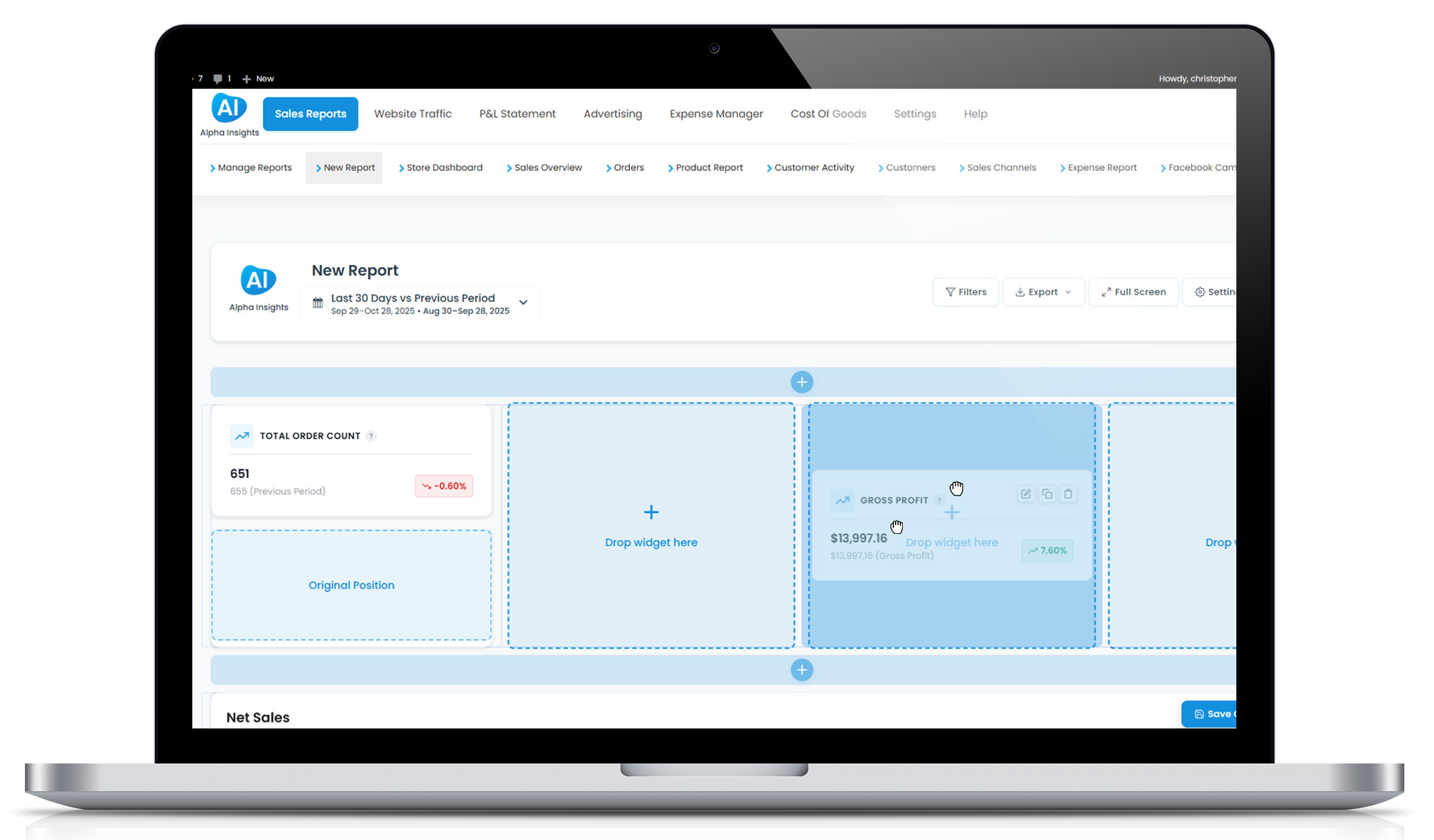
Mastering these metrics means not only understanding them but also constantly measuring and optimizing them. This is where tools like Alpha Insights come into play. Providing a deep dive into your WooCommerce store’s data, it helps draw actionable insights that could be the difference between a good month and a great one.
Ready to level up your WooCommerce game? Integrate Alpha Insights into your store and start making informed decisions that drive substantial growth.
Conclusion
Scaling a WooCommerce store from five to seven figures doesn’t happen by chance. It’s a calculated game of optimizing key metrics and making the numbers work for you. Monitor, analyze, strategize, and then watch as your store grows beyond just numbers, transforming into a robust ecommerce enterprise that stands out in the digital marketplace.