Why Profitable Stores Say “No” More Often
It might seem counterintuitive, but the secret sauce to running a hugely successful eCommerce store could very well be a simple, two-letter word: “No.” While it’s tempting to jump at every opportunity, successful WooCommerce store owners have discovered that sometimes, the best strategy is knowing when to turn opportunities down. This approach helps streamline their operations, focus on their most profitable activities, and, importantly, maintain sanity.
The Power of Prioritization in eCommerce
Let’s dive in. It’s easy to fall into the trap of thinking that more is better. More products, more promotions, more email blasts… but is it really? The answer is not really a resounding yes. The truth is, focusing where it matters – which sometimes means saying “no” – can lead to better outcomes both in terms of profitability and operational efficiency.
1. Product Selection
An expansive product range is fantastic, but it’s also a gargantuan task to manage. Profitable stores often say “no” to continuously adding new items just for the sake of variety. Instead, they concentrate on the products that:
- Have the best turnover rates
- Generate substantial profit margins
- Strengthen the brand’s identity
By being selective, these stores avoid the complexity and costs associated with inventory and logistics management, thereby improving their overall margins.
2. Market Trends
Just because something is trending does not mean every store needs to jump on the bandwagon. Profitable stores often take a calculated approach to trends. They assess whether a new trend aligns with their brand and customer base before diving in. This selective strategy prevents resource wastage on fleeting trends that don’t pay off.
3. Customer Requests and Customizations
While customer feedback is crucial, saying “yes” to every request or suggested customization can divert attention from scalable and impactful business strategies. Profitable stores listen to their customers but also maintain clear boundaries to ensure the business remains focused and productive.
Streamlining Operations: The Less-is-More Philosophy
Saying “no” is also about slimming down operations to run a tighter ship. This section explores how trimming down areas of overextension can lead directly to increased profits and efficiency.
Inventory Management
Profitable stores optimize their inventory levels, ensuring they are neither overstocked nor understocked. This involves:
- Maintaining optimal stock levels to meet demand without tying up too much capital in slow-moving goods
- Implementing just-in-time (JIT) practices to reduce warehouse needs
- Turning down less profitable or slower moving products
Streamlined inventory management can drastically reduce carrying costs and spoilage, contributing directly to the bottom line.
Choosing the Right Marketing Channels
It’s tempting to be everywhere at once, but profitable stores know that they need to focus their marketing efforts on channels that give the highest ROI. This might mean saying “no” to trendy new social platforms in favor of established ones where their customers are more active and engaged.
Partnerships and Collaborations
Not every partnership is beneficial. Profitable stores are selective about whom they collaborate with, choosing partners that align with their brand values and objectives. This strategic selection ensures symbiotic relationships that foster growth.
Focused Customer Base
Targeting everyone everywhere is a common pitfall. Profitable stores focus on a niche, creating specialized offerings that serve their specific demographic well. This approach builds a loyal customer base that’s less price-sensitive and more likely to purchase repeatedly.
The Role of Analytics in Saying “No”
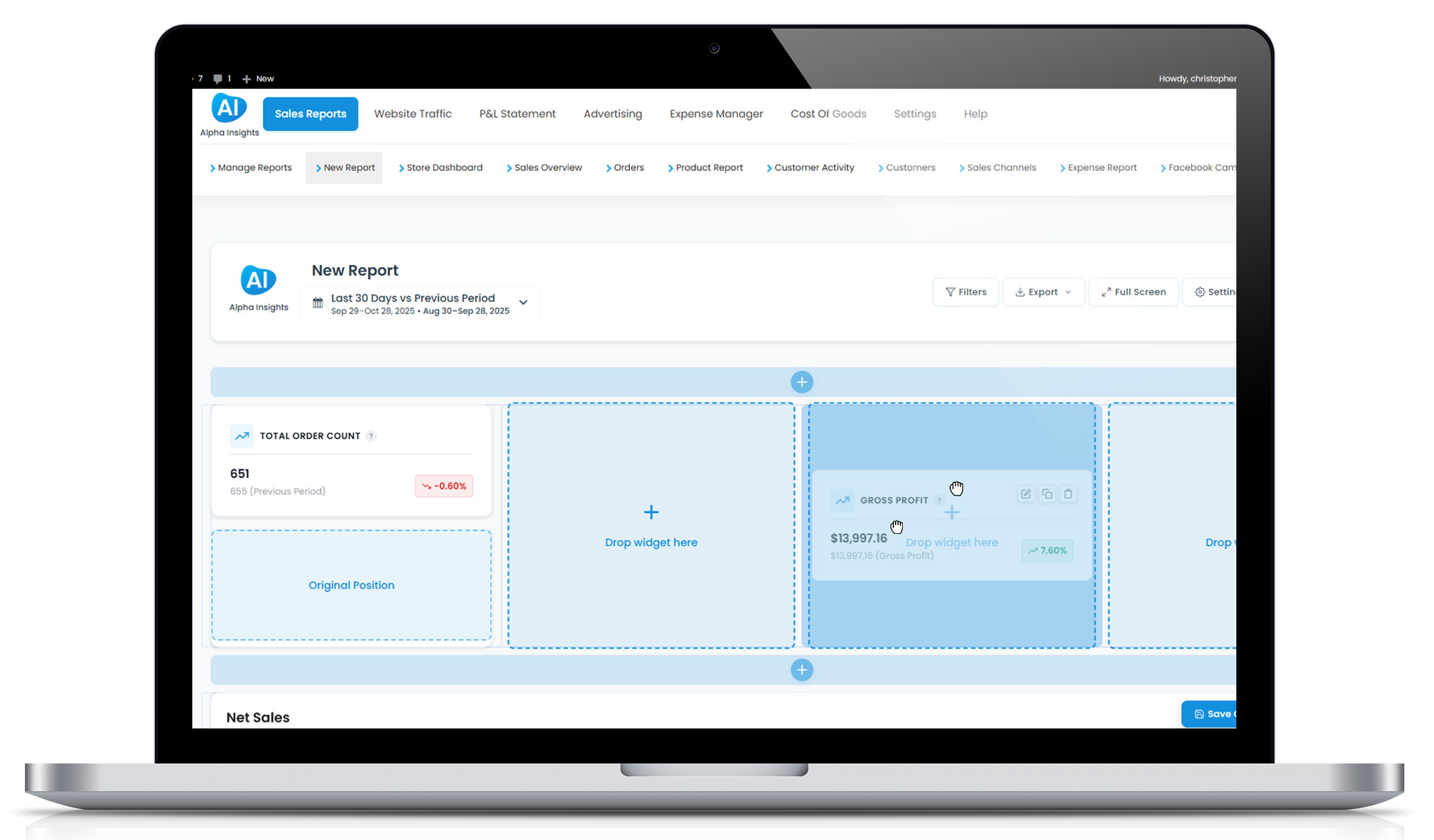
Understanding where to trim excess and focus efforts is not always straightforward. This is where analytics come into play. Leveraging the right tools, such as Alpha Insights, can provide the data necessary to make these critical decisions confidently. Here’s how:
- Product Performance: Identify bestsellers and lagging products to streamline the offered range.
- Customer Behavior: Monitor customer purchasing patterns and preferences to tailor marketing efforts and stock levels.
- Marketing Analytics: Evaluate marketing channel effectiveness to concentrate on high-performing initiatives and cut underperforming ones.
Ready to enhance your WooCommerce store’s performance by learning the art of saying “no”? Take a peek at Alpha Insights and empower your decision-making with robust analytics that will help you say “yes” to success and “no” to unnecessary complications!
In conclusion, profitability in eCommerce often comes not from seizing every opportunity but from judiciously selecting the right ones. Saying “no” allows store owners to focus on their core competencies, optimize operations, and ultimately, run a more lucrative business. Remember, sometimes less really is more, especially when that “less” is well-chosen!