Why Store Owners Misread WooCommerce Performance Data
Have you ever felt like your WooCommerce store is sending you mixed signals? Like a confusing text message from a friend, interpreting your store’s performance data can leave you scratching your head wondering, “What does it all mean?” While having heaps of data at your fingertips is a modern-day treasure, misreading this data can lead to misguided decisions and missed opportunities.
The Common Pitfalls of Data Interpretation
Let’s dive into the common blunders WooCommerce store owners make when reading their performance data. Understanding these can help you avoid making the same mistakes and instead use data to skyrocket your store’s success.
Lack of Clear Goals
Without a clear direction, any road will take you there. Many store owners start analyzing data without clear objectives. Are you looking to increase sales, enhance customer satisfaction, or reduce cart abandonment rates? Establishing clear, measurable goals is essential before diving into the analytics pool.
Misunderstanding Key Metrics
All metrics are not created equal, yet they often get the same VIP treatment in the analysis process. Misinterpreting key metrics like Customer Lifetime Value (CLV), Bounce Rate, or Conversion Rate can send you on a wild goose chase. Each metric requires a specific understanding to provide valuable insights.
Overlooking Context
Interpreting data without context is like trying to understand a joke without knowing the punchline. Context matters! For instance, a spike in website traffic might seem great until you realize it’s due to a blog post going viral rather than interest in your products.
Falling for Vanity Metrics
Sometimes we get dazzled by numbers that look impressive on the surface but don’t impact your bottom line—these are known as vanity metrics. Focusing too much on these can distract you from metrics that offer real, actionable insights.
Ignoring Industry Benchmarks
Comparing your results to industry benchmarks gives your data perspective. Without this, you could be patting yourself on the back for results that are below par in your industry, or unnecessarily worrying over metrics that are actually industry-leading!
Strategies to Accurately Read WooCommerce Performance Data
Now that we’ve understood the common pitfalls in reading data, how can you improve your data interpretation skills? Here are some strategies to steer you in the right direction:
Use the Right Tools
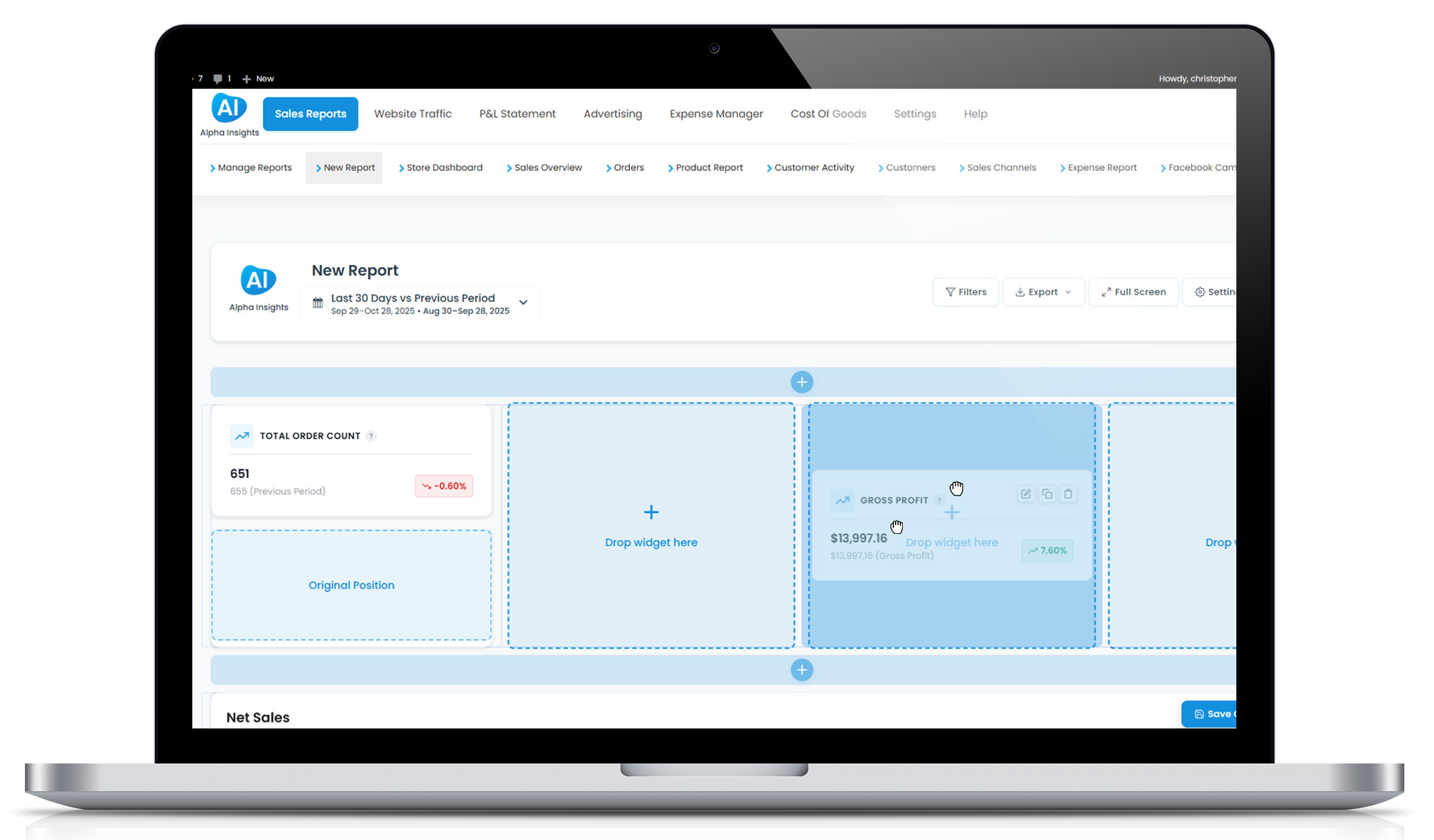
First things first, arm yourself with the right tools. A powerful analytics plugin can transform numbers into narratives. Alpha Insights is designed for WooCommerce and helps you read between the lines of your performance data. This tool provides actionable insights, helping you focus on what really matters.
Segment Your Data
Data segmentation is your best friend. It helps you break down data into manageable, relevant chunks. By analyzing segmented data, you can identify behavioral patterns and tailor your strategies to different customer segments.
Regularly Review and Adapt
Data trends can change as quickly as they come. Regular review sessions allow you to stay updated with these changes and adapt your strategies promptly. What worked last quarter might not work now, and vice versa!
Educate Yourself on Key Metrics
Understanding what each metric means and how it impacts your business is crucial. Invest time in educating yourself or your team about these nuances. Knowledge is power, especially when it comes to data!
Consult with Experts
Sometimes, two heads (or more) are better than one, especially when they’re expert heads. Consulting with data analysts or experienced marketers can provide new insights and help you read your data accurately.
Turning Data Into Decisions
Performance data is a gold mine for strategic decision-making. Whether it’s identifying the strengths to leverage or pinpointing weaknesses to fix, data holds the key. Here’s how you can align data with decision-making:
- Set realistic and measurable goals based on historical data.
- Focus on metrics that directly align with your business goals.
- Use Alpha Insights to keep a pulse on real-time data and trends.
- Test and tweak your strategies based on data-driven insights.
- Continuously learn and update your knowledge on analytical tools and techniques.
Ultimately, the key to mastering WooCommerce analytics isn’t just in having the data but in understanding it deeply and using it wisely. Ensure you’re equipped with intuitive tools like Alpha Insights, and pair this with a robust strategy for reading and reacting to the data. Your WooCommerce store’s performance is speaking volumes—make sure you’re tuning in correctly!
Unlock the full potential of your data with smart tools and smarter strategies. Because at the end of the day, it’s not about having data; it’s about understanding and using it to fuel your store’s growth. Happy analyzing!