Unraveling the Enigma of WooCommerce Financial Reporting: What Matters and What Doesn’t
Ah, financial reporting… It’s like the broccoli of the eCommerce world: we all know it’s good for us, but not everyone is excited about it. Yet, for WooCommerce store owners, understanding the ins and outs of financial reporting is like having a superpower. It provides clear vision into the workings of your online store, helps you make more informed decisions, and sometimes, just sometimes, it can save you from making costly mistakes. So, let’s put on our capes and dive into the riveting world of financial reporting. And remember, knowledge is power (or at least, profit)!
Why Should You Care About Financial Reporting?
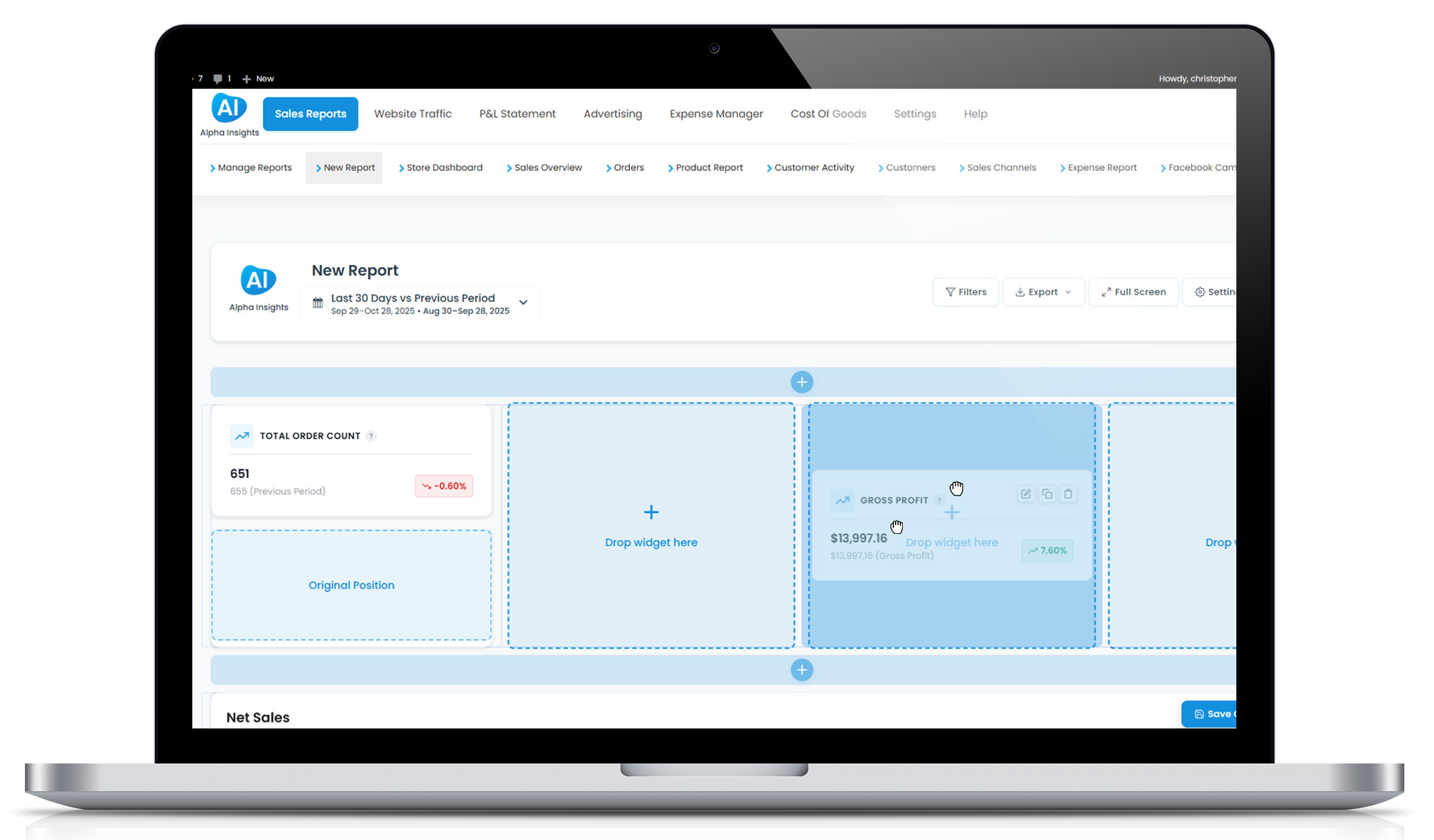
Let’s start with the ‘why’. In the serpentine alleys of WooCommerce, amidst the bustling traffic of products, transactions, and promotions, financial reporting acts as your GPS. Tracking your revenue, costs, and profitability with Alpha Insights or similar plugins can help you identify what’s working and what’s eating into your profit margin.
A precise financial report allows you to:
- Make lilting leaps toward fiscal sustainability.
- Understand customer behavior and purchasing patterns.
- Forecast future trends and prepare accordingly.
- Identify tax obligations without a last-minute scramble.
Now that we’re convinced of its supremacy, let’s delve into what facets of financial reporting really warrant your undivided attention.
The Critical Components of Financial Reporting in WooCommerce
1. Revenue Tracking
Revenue, the big kahuna of financial metrics, tells you the total income generated before any expenses are deducted. Keep a keen eye on this through dashboard tools provided by plugins like Alpha Insights. Compare your revenue trends against marketing campaigns to see if those Facebook ads are truly paying off.
2. Cost of Goods Sold (COGS)
It’s not just about how much you make, but how much you spend to make that much. COGS tells you exactly that. It includes the direct costs tied to production and delivery of your products to customers. If these costs are creeping up, it might be time to negotiate with suppliers or reconsider your pricing strategy.
3. Gross Profit
Subtract your COGS from your revenue, and voilà! You’ve got your gross profit. This is your earning after the product costs but before overheads and taxes. It’s a quick health check of your business operations.
4. Expenses
Every wizard needs to keep track of his spells’ costs. Similarly, every WooCommerce store owner should keep an eye on expenses. This includes marketing, salaries, software subscriptions, and more. Keeping this in check ensures you’re not diminishing your gross profit unwittingly.
5. Net Profit
The moment of truth: net profit. This is what you have left after all expenses have been deducted from your gross profit. It’s the definitive measure of your store’s profitability and financial health.
What to Ignore in WooCommerce Financial Reporting?
Overly Granular Data
While details are good, overly granular data can cloud your strategic vision. Focus on key performance indicators (KPIs) that genuinely impact your business’s bottom line. Don’t drown in data over minimal fluctuations that don’t impact overall trends.
Frequent Time Frame Comparisons
It’s tempting to constantly check how today’s sales compare with yesterday’s. However, daily fluctuations are normal and should not lead to knee-jerk strategic changes. Instead, focus on month-over-month or year-over-year trends for a more accurate picture.
The Super Tools of Financial Reporting
Now, armed with the knowledge of what matters, you need the right tools. Consider incorporating a powerful tool like Alpha Insights into your WooCommerce arsenal. This plugin provides comprehensive insights into your financial metrics, optimizing your decision-making process with data-driven backing.
Additionally, integrating with accounting software such as QuickBooks or Xero can automate much of the financial management, freeing up more time for you to focus on growth and other fun stuff (like product development or marketing strategies).
Wrap-Up: The Financial Reporting Salad
Think of your financial reporting tasks as a salad. It’s not the most thrilling part of running a WooCommerce store, but it’s crucial for maintaining a healthy business. Mix in a fair understanding of what metrics are essential, sprinkle in the right tools, and dress it with regular reviews, and you’ve got yourself a recipe for success!
Using efficient and insightful tools like Alpha Insights can transform your WooCommerce store from just surviving to absolutely thriving in the competitive digital marketplace. So why wait? Give your WooCommerce store the financial clarity it needs to grow leaps and bounds.
With this insight-packed overview of WooCommerce financial reporting, go forth and conquer your eCommerce universe. Just remember, in the theatre of online sales, every number plays a part!